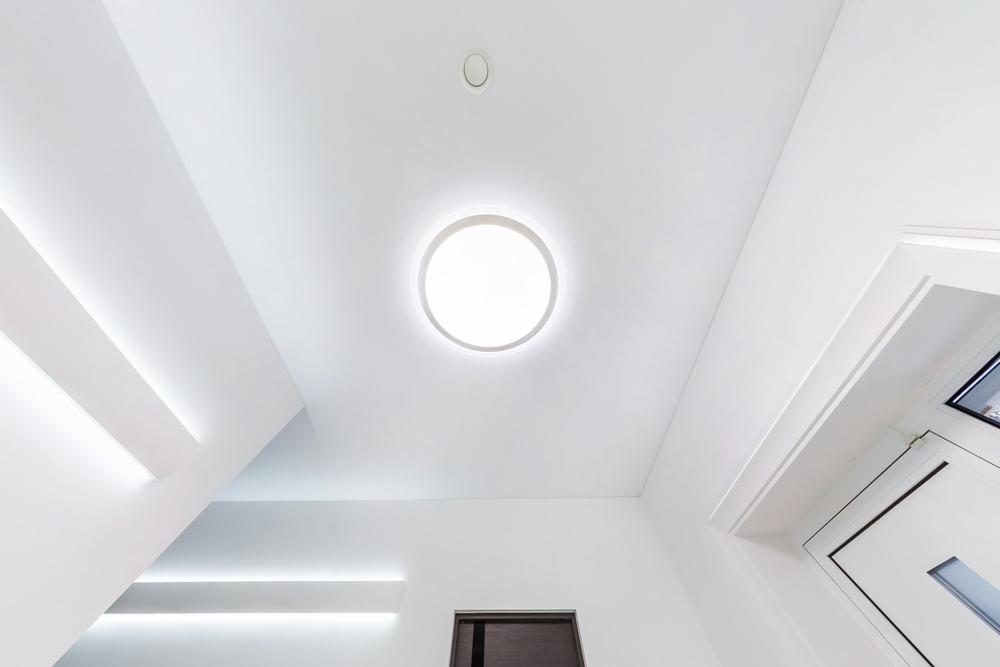
Transform Your Home: The Impact of Ceiling Design on Appeal and Ambiance
In the world of property management, every detail counts when it comes to attracting and retaining tenants. While much attention is often given to flooring, wall colors, and furnishings, one crucial aspect of interior design frequently goes unnoticed: the ceiling. Often regarded merely as the overhead plane that holds the light fixtures, ceilings play a significant role in a home’s overall appeal and the mood of its inhabitants. By understanding and leveraging ceiling design, landlords and property owners can enhance the aesthetic and emotional atmosphere of their properties, making them more desirable to potential tenants.
Getting a WOW factor with our interior designing services!
1. The Power of Ceiling Heights:
The height of a ceiling can dramatically affect the perception and feeling of
space within a room. High ceilings are synonymous with luxury and grandeur. They
create a sense of openness and airiness, making rooms feel more expansive and
inviting. In contrast, lower ceilings can evoke a sense of coziness and intimacy
but might also make a space feel more confined.
Psychologically, ceiling height can influence a person's state of mind and
productivity. Studies have shown that higher ceilings can foster a sense of
freedom and creativity, while lower ceilings can promote focus and
concentration. For landlords aiming to attract tenants who value spaciousness
and sophistication, promoting properties with high ceilings can be a compelling
selling point.
2. Ceiling Treatments and Textures:
Beyond height, the treatment and texture of a ceiling can add depth and character
to a room. Coffered ceilings, with their grid of recessed panels, can bring an
element of classic elegance and architectural interest. Wood beams, whether
exposed or faux, can introduce warmth and a rustic charm that appeals to many
modern renters. Exposed rafters, often found in lofts and industrial-style
homes, offer a trendy, urban feel that can attract a younger, hip demographic.
These treatments not only enhance the visual appeal but also contribute to the
property's overall sophistication. By investing in unique ceiling treatments,
property owners can differentiate their offerings in a competitive rental
market.
3. Lighting and Ceiling Fixtures:
Lighting plays a pivotal role in ceiling design, significantly impacting the
room's ambiance and functionality. Stylish ceiling fixtures such as chandeliers,
pendant lights, and recessed lighting can transform a mundane ceiling into a
focal point. Chandeliers add a touch of glamour and elegance, perfect for dining
rooms and entryways. Pendant lights are versatile, offering both task lighting
and aesthetic appeal, making them ideal for kitchens and living areas. Recessed
lighting provides a sleek, modern look, and can be used to highlight
architectural features or create a soothing atmosphere with dimmable options.
Proper lighting enhances the ceiling's design and ensures that rooms are
well-lit and inviting. Landlords should consider the type and placement of
lighting fixtures to create a balanced and appealing environment for tenants.
4. Color Choices for Ceilings:
Color plays a crucial role in setting the mood of a room, and ceilings are no
exception. While white is a common choice for its ability to make spaces feel
larger and brighter, other colors can be equally effective. Light blue or soft
gray ceilings can add a calming effect, while bold colors like navy or even
black can create a dramatic, intimate ambiance.
When choosing ceiling colors, it's essential to consider the overall decor of
the room. Complementary colors can tie the room together and enhance its
cohesiveness, while contrasting colors can add visual interest and highlight
architectural details. Property owners should experiment with different hues to
find the perfect balance that enhances their property's appeal.
5. Modern Trends in Ceiling Design:
Keeping up with modern trends can make a property stand out to potential tenants.
Current popular ceiling designs include tray ceilings, which add depth and
dimension; patterned ceilings, which offer a unique and eye-catching element;
and the creative use of materials such as reclaimed wood or metal tiles.
Tray ceilings, with their recessed center panel, can create a sense of height
and elegance. Patterned ceilings, whether achieved through wallpaper or
stenciling, add a layer of artistry and personalization. Innovative materials
can introduce texture and interest, making the ceiling a statement piece in the
room.
By incorporating these modern trends, property owners can appeal to tenants
looking for contemporary and stylish living spaces.
6. Acoustic Considerations:
Ceiling design also affects the acoustics of a room, influencing noise levels and
overall comfort. Hard, flat surfaces can cause sound to bounce, leading to
echoes and a noisy environment. On the other hand, textured or layered ceilings
can help absorb sound, creating a quieter and more peaceful living space.
Materials such as acoustic tiles, fabric panels, or even strategically placed
ceiling beams can improve sound quality. For properties in noisy urban areas or
for tenants who value tranquility, investing in acoustic ceiling treatments can
be a significant advantage.
Conclusion
Ceilings are a vital yet often overlooked aspect of interior design that can
significantly impact a property's appeal and the mood of its residents. By
paying attention to ceiling height, treatments, lighting, color, modern trends,
and acoustics, landlords and property owners can enhance the aesthetic and
emotional ambiance of their homes.
If you're a property owner looking to elevate your property's appeal, consider
investing in ceiling enhancements. At Earthbelt Construction, we offer
professional advice and
services in property management and interior design. Contact us today to learn
how we can help you create inviting, sophisticated living spaces that attract
and retain tenants.